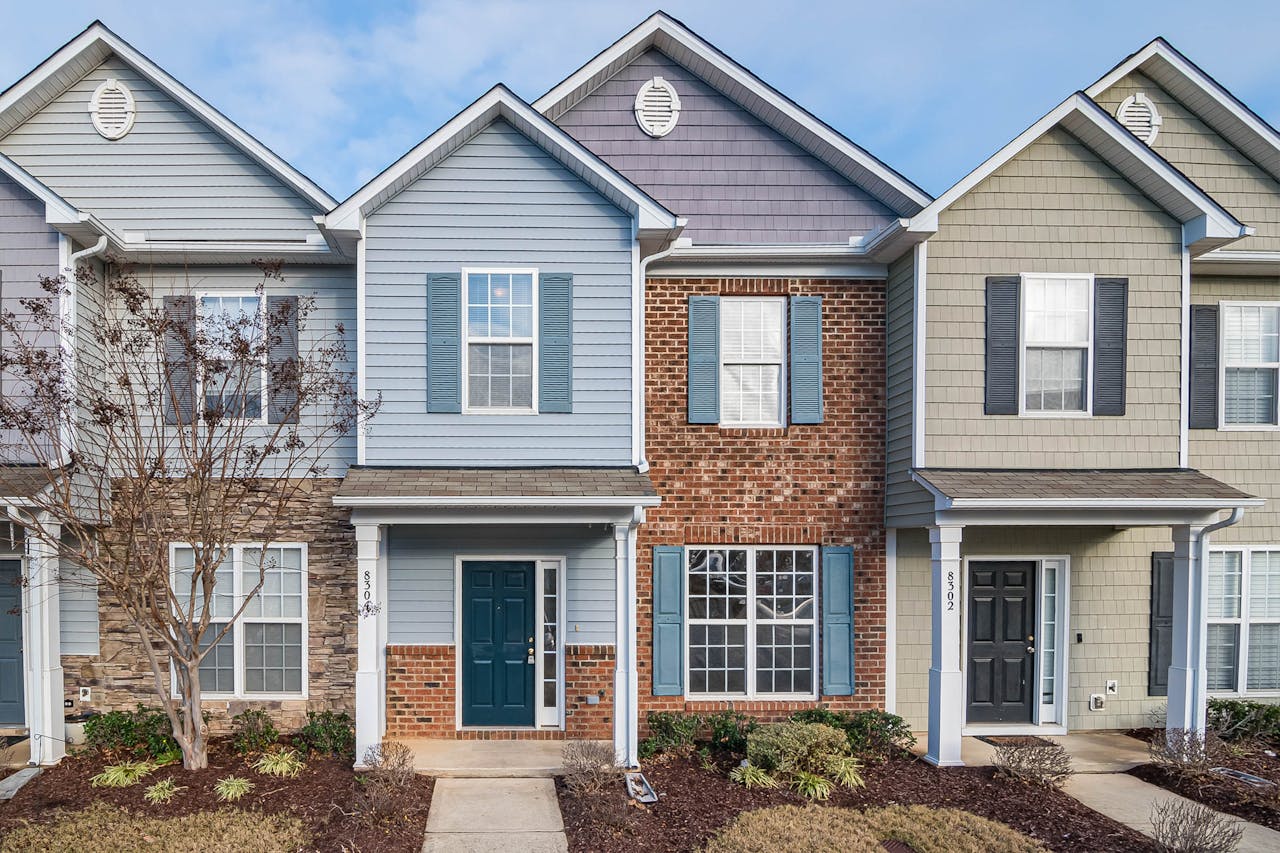
What does it mean to be “middle class” today? It’s a term we hear everywhere, yet definitions vary depending on who you ask—or where you live. Being middle class is tied to ideas of financial stability, homeownership, and the ability to provide opportunities for your family. But in a time of rising costs and stagnant wages, the middle class feels increasingly squeezed.
Defining the Middle Class
What does it really mean to be “middle class”? Income brackets are one of the most common ways to define the middle class. In Canada, middle-class incomes generally range from $53,359 to $137,000 annually, depending on the province you live in. However, there’s no universal agreement on this range. Income-based definitions can shift depending on the cost of living, housing market conditions, and family size. In higher-cost regions like Vancouver or Toronto, what’s considered “middle class” might feel more like survival mode, whereas it may stretch further in rural areas.
Occupational Classifications
The type of work you do can also signal whether you’re middle class. For instance, middle-class jobs often include roles requiring moderate to high educational levels or technical skills, like teachers, nurses, skilled tradespeople, and managers.
But it’s not just about job titles—it’s also about job security and benefits. Jobs traditionally associated with the middle class, like full-time salaried positions, provide health care or retirement plans, which highlight financial stability. But in an era of gig work and contract jobs, the connection between employment and middle-class status is changing.
Education and Skills
Education plays a crucial role in achieving middle-class status. Having at least a post-secondary diploma or degree is often viewed as the gateway to better job opportunities and income stability. However, the growing emphasis on technical and soft skills is shifting the narrative. Skills like coding, social media marketing, or project management are now as vital as formal degrees in climbing the socio-economic ladder. This evolution reflects the increased value placed on adaptability and innovation in today’s workforce.
Lifestyle Indicators
Being middle class isn’t just about what you earn or where you work—it’s also about how you live. Lifestyle factors, such as owning a home, having access to leisure activities, and being able to save for retirement, are often seen as hallmarks of middle-class living. In Canada and the USA, homeownership remains a significant aspirational marker, though it’s increasingly out of reach for many due to rising home prices.
According to the Angus Reid Institute, consumer behaviour is another telling sign. Middle-class families often prioritize spending on education, healthcare, and leisure—think vacations or dining out. However, financial pressures have made balancing these priorities challenging, even for those considered middle class.
From income to education to lifestyle, defining the middle class requires looking at a mix of factors. It’s no longer just a financial term but a broader reflection of opportunity, security, and quality of life. Whether through occupational choices or lifestyle aspirations, the middle class continues to shape Canada’s economic and cultural identity.
Regional Variations in Middle Class Definitions
What does it really mean to be middle class? While the term is often tossed around in conversations about income, lifestyle, and financial security, its meaning shifts depending on where you live. Let’s explore how the definition of middle class takes on different nuances in Canada, the U.S., and across the globe.
Middle Class in Canada
In Canada, the middle class has long been associated with modest comfort and upward mobility. But what constitutes “middle class” in terms of numbers? Statistics Canada suggests that middle-class incomes typically range from $53,359 to $137,000 annually, depending on your province. However, this range isn’t one-size-fits-all. Urban hubs like Toronto and Vancouver push families at the higher end of the income scale into what feels like a constant balancing act against skyrocketing housing prices. In contrast, the same salary in smaller or rural communities can stretch much further, affording more traditional middle-class comforts.
Beyond income, being middle class in Canada is increasingly tied to lifestyle factors. Homeownership remains a significant aspiration, despite property prices keeping it out of reach for many. Additionally, those identifying as middle class often juggle expenses like saving for their children’s education and planning for retirement. According to the Angus Reid Institute, 42% of Canadians self-identify as middle class, though fewer claim they feel solidly attached to this identity.
With inflation and wage stagnation in play, it’s no wonder Canadians express growing uncertainty about what it truly means to achieve middle-class security in today’s economy.
Middle Class in the US
Defining the middle class in the United States follows a slightly different track, though there are similarities with the Canadian perspective. In the US, the middle class is often defined by income brackets, generally covering households earning between two-thirds and double the national median income. According to Pew Research, this puts a middle-class household’s annual income range between roughly $48,500 to $145,000 for a family of three in 2020.
But it’s not just income that defines this demographic—it’s also cultural and societal expectations. Traditionally tied to homeownership and education, the American middle class is also about achieving the “American Dream,” a concept tied to upward mobility. However, rising costs of living, particularly for housing and healthcare, are reshaping perceptions. This mirrors Canada’s struggle, where being middle class doesn’t automatically imply financial security.
Interestingly, one major divide exists between the U.S. and Canada: healthcare. While Canadians benefit from government-funded healthcare, middle-class Americans often juggle private insurance and face significant out-of-pocket healthcare costs. This disparity impacts the kinds of struggles middle-class families face in their respective countries.
Global Perspectives
The idea of middle class shifts even more dramatically when we look at cultural and economic contexts around the world. The OECD broadly defines the middle class as households earning between 75% and 200% of median national income. However, this income can mean drastically different lifestyles depending on the country.
In developing nations, the “middle class” often refers to individuals who have just exited poverty. For instance, according to Brookings Institution, households earning between $10 and $100 per person per day at 2005 purchasing power parity are considered middle class. The global middle class is growing in size, but in regions like India or Sub-Saharan Africa, being middle class doesn’t necessarily equate to financial stability or access to luxuries. It’s more about achieving a baseline of financial independence.
Conversely, in wealthier nations like those in Europe, the middle class is defined more by lifestyle and social benefits. High taxation in these countries often funds robust public health, education, and welfare systems, allowing even more modest-income households to experience some semblance of middle-class stability. In contrast, in nations like the United States or Canada, where social safety nets are frequently criticized as insufficient, the pressures on middle-class households feel far greater.
Culturally, this term also embodies a sense of identity. In many countries, being middle class carries connotations of responsibility, political engagement, and societal contribution. Yet, as global economic divides widen, the middle class is increasingly “squeezed,” as reflected in studies like “Under Pressure: The Squeezed Middle Class” by the OECD. Economic uncertainty coupled with job automation and rising costs continues to narrow opportunities and challenge the middle-class dream worldwide.
Understanding the middle class, then, requires looking at more than just numbers. From Canada’s housing pressures to the U.S.’s healthcare struggles, and cultural variations across continents, being middle class is increasingly a fluid state, shaped by geography, culture, and economic systems. The question remains: Is the middle class still a stable pillar of society, or is it becoming a more elusive goal?
Challenges Facing the Middle Class
The middle class represents the backbone of Canada’s economy and culture. It’s a symbol of stability, opportunity, and aspiration. However, this group faces growing challenges that threaten its future. Economic pressures and barriers to social mobility make it harder to attain and sustain middle-class status.
Economic Pressures
Economic challenges are squeezing the middle class from all sides. Despite being seen as financially stable, rising costs often outpace income growth, leaving many families struggling to maintain their lifestyles.
- Inflation: Everyday goods and services, from groceries to transportation, have seen sharp price hikes over the past few years. According to the Globe and Mail inflation has eroded purchasing power, with middle-income households shouldering much of the burden.
- Housing Affordability: The dream of homeownership—a hallmark of middle-class identity—feels more like an impossible goal for many. In cities like Toronto and Vancouver, skyrocketing housing prices mean even dual-income households can find themselves renting long-term. According to the OECD, the costs of essential goods like housing have risen faster than overall inflation, further squeezing middle-class families.
- Wage Stagnation: While costs climb, wages for the middle class remain relatively flat. Studies show that real median wages for Canadians have barely changed since the 1970s, creating a growing wealth gap between income brackets (https://financialpost.com/news/canada-middle-class-losing-momentum-wealth-gap-widens).
Combined, these factors make it increasingly difficult for middle-class families to save, invest, or plan for the future. What was once a foundation of economic security is now a precarious balancing act.
Social Mobility
Achieving and maintaining a middle-class lifestyle involves more than managing finances—it’s about opportunity, resources, and upward motion. Unfortunately, social mobility in Canada, while stronger than in some countries, faces growing hurdles.
- Intergenerational Challenges: Many Canadians find themselves stuck in the same social class as their parents. Roughly 42% of people identify in the same class as their family of origin, according to studies like the Great Canadian Class Study. While some achieve upward mobility, others see a decline, especially in a tough economy.
- Barriers to Advancement: High taxes and overregulation, as highlighted by the Montreal Economic Institute, make it harder for Canadians to climb the socio-economic ladder. Many feel that opportunities for advancement—such as higher education or starting a business—are out of reach.
- Cost of Education and Skills Training: Education, once a stepping stone to a better life, is now a significant financial burden. Rising tuition fees and the growing importance of specialized skills widen the gap between families who can afford to invest in these opportunities and those who cannot.
For a group aspiring to stability and upward mobility, the barriers they face today create a cycle that is hard to break. According to the Stone Centre, social mobility in Canada may still perform better than in the U.S., but middle-class Canadians increasingly feel those rungs on the ladder are harder to reach.
The challenges facing the middle class are complex and deeply rooted in economic and systemic factors. From rising living costs to stagnant wages and diminished prospects for upward mobility, the pressures leave families feeling stretched thin. Yet, these issues also call for collective action to preserve the middle class as the bedrock of Canadian society.
The Future of the Middle Class
Technology has always been a force of change, but the speed and scale of disruption today are unmatched. Innovations in artificial intelligence (AI), automation, and digital economies are reshaping industries that the middle class depends on.
For instance, automation is making manufacturing more efficient, but it’s also replacing many traditional blue-collar jobs. Industries like retail, customer service, and even transportation are turning to AI-driven solutions, leaving the workforce to transition into more tech-savvy roles, often requiring new skills. Middle-class workers who lack access to affordable training may find themselves edged out of stable employment.
The rise of the gig economy presents another challenge. While platforms like Uber or Etsy create opportunities, they often lack the job security and income consistency that traditional middle-class careers offered. As emerging tech continues to dominate, the middle class may become increasingly polarized: those who embrace new technologies thrive, while others are left behind.
Education and adaptability will be crucial. Policymakers and employers must find ways to bridge the skills gap. Expanding access to technical education—like coding boot camps or community-based upskilling programs—can help middle-class workers stay relevant in a digital-first economy. For more insights into this shift, readers can explore The Future of the Middle Class.
Policy Implications
The middle class often feels the ripple effects of changing government policy before any other group. Whether it’s tax policies, housing programs, or healthcare reforms, these decisions define the opportunities available to middle-class families.
Take housing affordability. In Canada, the soaring cost of homes has pushed even dual-income middle-class households into financial stress. Many argue that policy measures such as tax credits for first-time homebuyers or affordable housing incentives could provide some relief. Innovative policies—like those highlighted by Brookings Institution—include worker tax credits and child savings accounts to build intergenerational wealth.
Healthcare access is another area needing attention. While Canada’s public healthcare is a universal benefit, long wait times and out-of-pocket costs for specialized services disproportionately affect those in the middle class. Governments might consider expanding coverage or introducing subsidized private options to maintain affordability without sacrificing quality.
Lastly, income protection programs, such as paid parental leave or enhanced employment insurance benefits, could help shield the middle class in times of economic turbulence. Without these safeguards, even short-term setbacks can spiral into long-term challenges for middle-income earners. For further reading, the OECD explores policies aimed at creating a more prosperous middle class globally.
From technological evolution to political decisions, the middle class stands at a crossroads. Will these forces build a stronger backbone for society or make it harder for this group to hold its ground? Whatever the path, the future of the middle class depends on how we address today’s challenges.
Conclusion
The term middle class reflects both personal identity and broader economic trends, making it complex but essential to define. It’s tied to aspirations, lifestyle, and a sense of security that varies across regions and cultures.
As economic pressures reshape its boundaries, the middle class remains a key part of society’s foundation. Recognizing these shifts helps us advocate for policies and opportunities that uphold its role.
Wondering if you’re in the middle class? Find out today with our income class calculator.
Leave a Reply